

Summerfield Browne Solicitors are authorised and regulated by the Solicitors Regulation Authority. SRA number 598802.
If you are renting a home in the UK, have signed a tenancy agreement and are living in a property owned by the Council or Housing Association, you are signing a contract for a safe, well-kept and livable home. Sometimes issues such as mould and damp can appear and if not dealt with correctly, this can transform into a genuine threat to your health and your home’s livability.
If you are a tenant living in a rented property owned by either the Council or Housing Association and your property has fallen into disrepair, you may have strong grounds for a disrepair claim against your landlord.
Our Disrepair Solicitors know that no two situations or cases are alike, that’s why we take the time to listen to you and hear your story. Our team of housing disrepair Solicitors will offer guidance and advice on the best course of action to take and will evaluate your disrepair claim to determine the likelihood of success. If you have mould in council house then contact us today.
Hina and summerfield browne solicitors have been excellent throughout my whole claim Hina has kept in constant contact with me though out the full process and very helpful. Hina and summerfield browne solicitors are by far to me the best solicitors for the claim I had put in and would be highly recommended to anyone in need with advice or claims thank you so much for what you have done for me
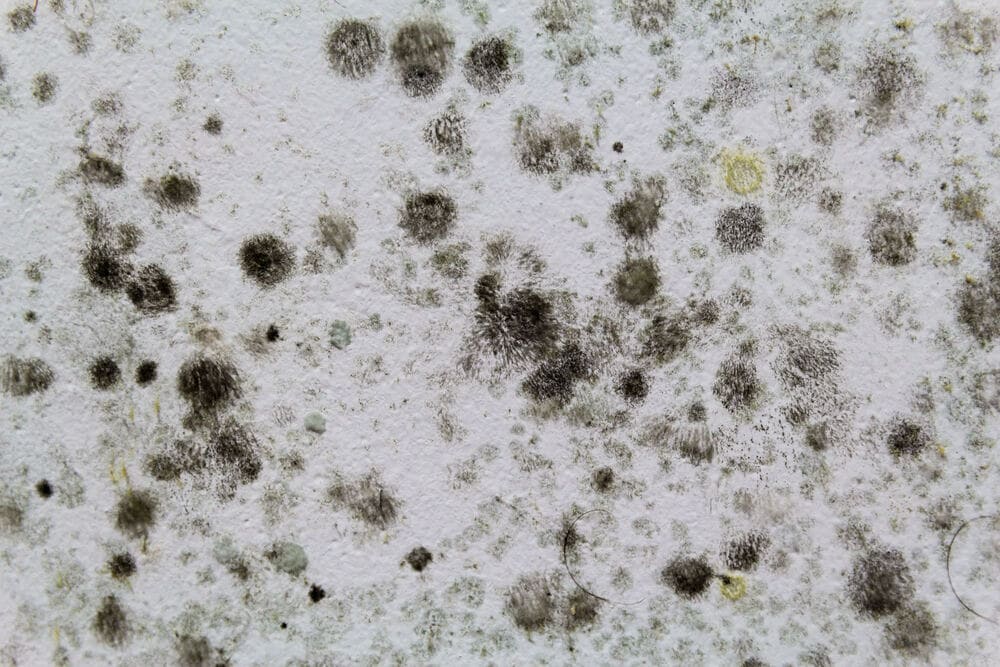
There are all sorts of mould types that could invade your home, each with its unique characteristics and health risks. Some common household types include Penicillium, Aspergillus, and Cladosporium. Aspergillus is commonly found in damp indoor and outdoor areas, while Cladosporium grows mostly outdoors, it can be found on a host of indoor surfaces. The worst of the mould species is the notorious black mould, Stachybotrys chartarum, also known as Alternaria, which releases toxins that could be harmful to your health. Black mould is often a sign of long-term water damage and needs immediate attention due to its potential toxicity. If you have mould in council house then contact us today.
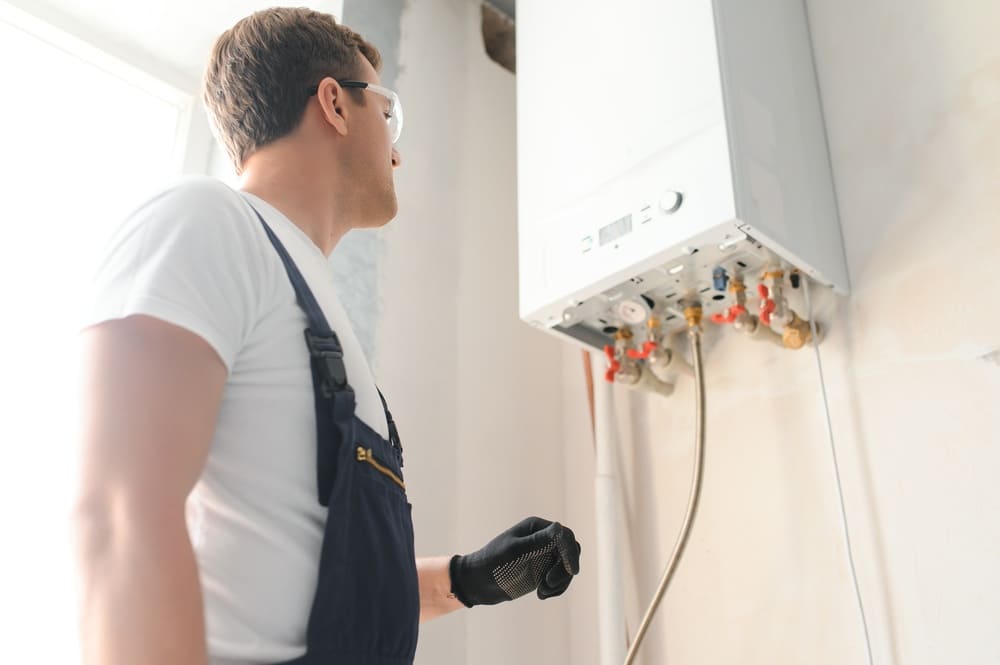
If you are experiencing a boiler problem in your rented property such as a faulty boiler or issues with heating, you need to inform your landlord as quickly as possible as they must replace it or repair it within a specific time frame. By law, they are required to provide a home that is not in a state of disrepair.
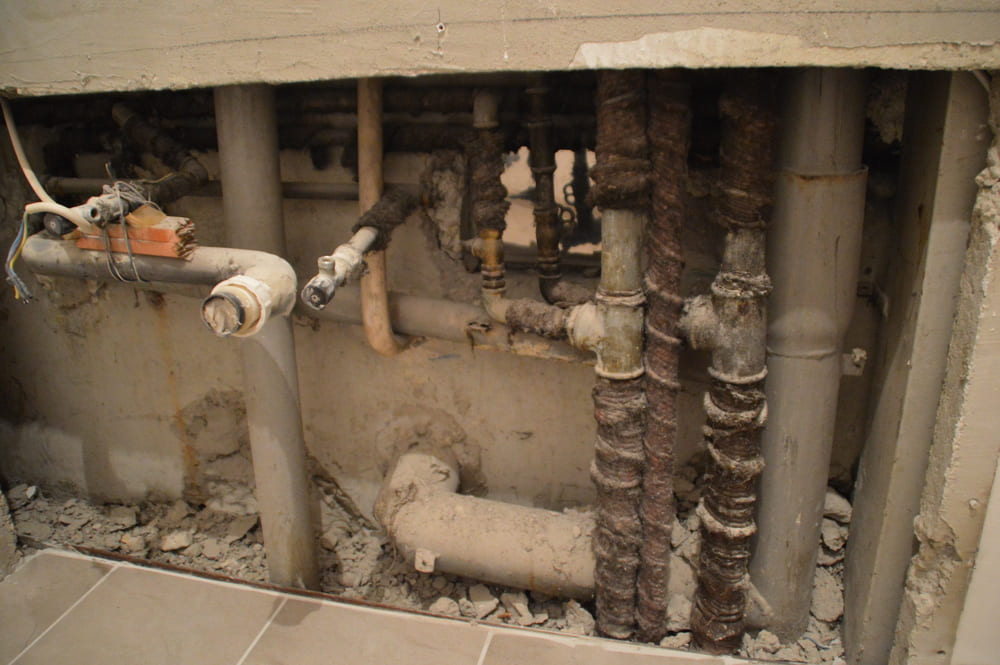
If you have faulty plumbing in your property, you should contact your landlord immediately. These can include blocked drains which can affect the overall sanitation of your property. They are responsible for repairing the problem and should take action as soon as possible to remedy the issue. Our Housing Disrepair Lawyers have all the essential skills required to help you deal with this disrepair problem.
Electrical faults affect a number of rented properties and are potentially life threatening if not remedied quickly. If you can see bulbs which are exploding, cables on the verge of breaking or even a wire fizz, report the issue immediately to your landlord as this is a hazardous disrepair. You can capture evidence such as taking photos. Our Housing Disrepair Lawyers will act in your best interests and will determine the best strategy to enable you to maximise the value of your claim, while minimising the risks associated with the claim.
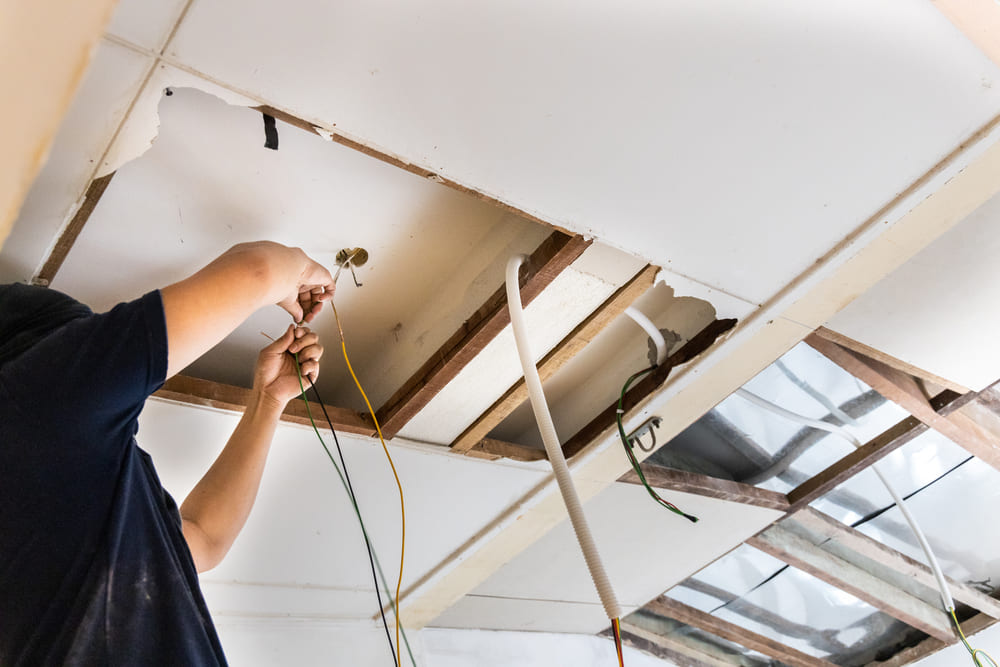

If you notice any structural damage to your property such as cracks on the walls or ceilings is important you report them to your landlord as soon as possible. It could be a sign of subsidence or substandard building materials. These can give rise to serious issues such as leaving the property cold, loose tiles and brick work can fall. Our Housing Disrepair Lawyers have all the essential skills required to help you deal with such disrepair problems.
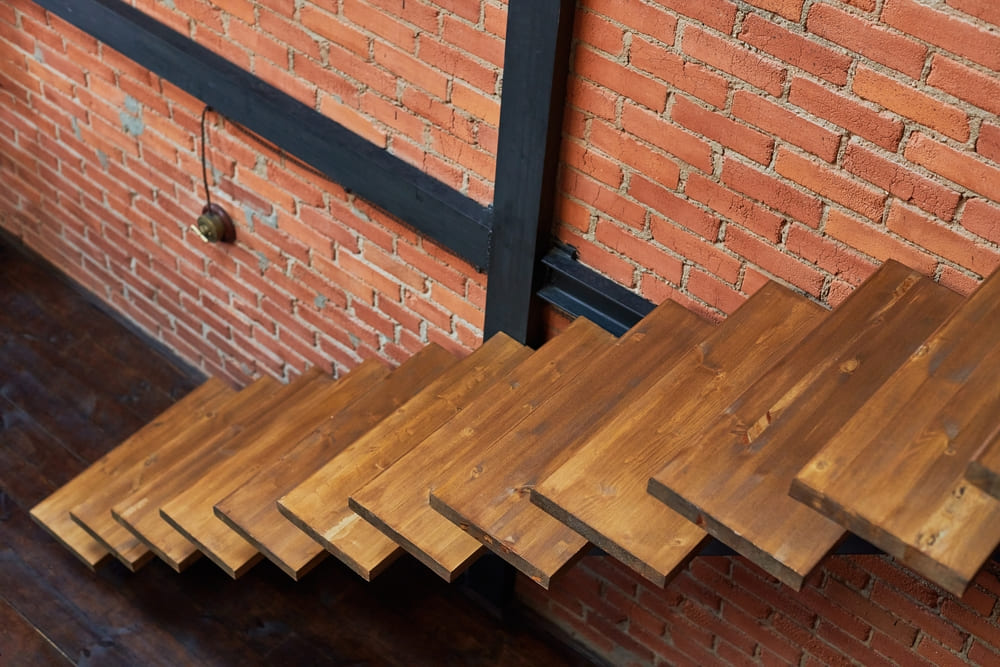
Unsafe stairs and flooring are a serious hazard which requires urgent attention. This can include uneven flooring, broken steps and warped or cracked flooring. As a result, the cracks can cause cold damp and to enter the property. Our team of Housing Disrepair Lawyers can help you make your home safe and livable. It is important that you report any issues with unsafe flooring or stairs as soon as possible and keep records of doing so.
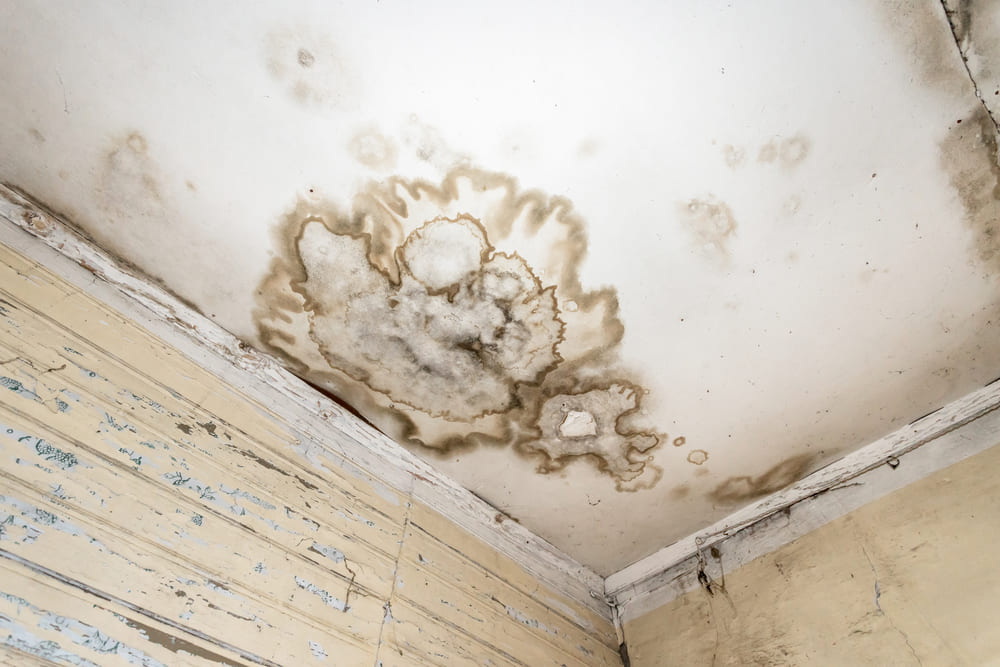
Infestation can be caused by disrepair which has failed to be repaired, such as holes in walls or floorboards, or poor sanitation facilities in the property. If your rented accommodation is furnished and has infestation, our team of Housing Disrepair Lawyers can help you receive compensation for any infestation to your property and any damage to health it has caused.
The moment you report an issue with your rental property, it becomes the Council or Housing Association’s job to fix it. They need to promptly inspect the property and identify the root cause of the problem. It’s the Council’s duty to make the necessary repairs, whether that means fixing plumbing or roof leaks, improving insulation, unblocking gutters, or addressing rising or penetrating damp. If they fail to do so, they might be breaching their legal responsibilities under UK housing laws and you have a right to make a disrepair claim
Summerfield Browne Solicitors ensure that your property is repaired to the standard you deserve at no cost to you and will aim to get you the maximum level of compensation. Our team of Housing Disrepair Lawyers will robustly negotiate on your behalf and endeavor to obtain the best settlement for you as soon as possible.



