
Boundary Dispute Lawyers, Property Litigation Solicitors, Trespass Solicitors, Party Wall Solicitors, Neighbour Disputes
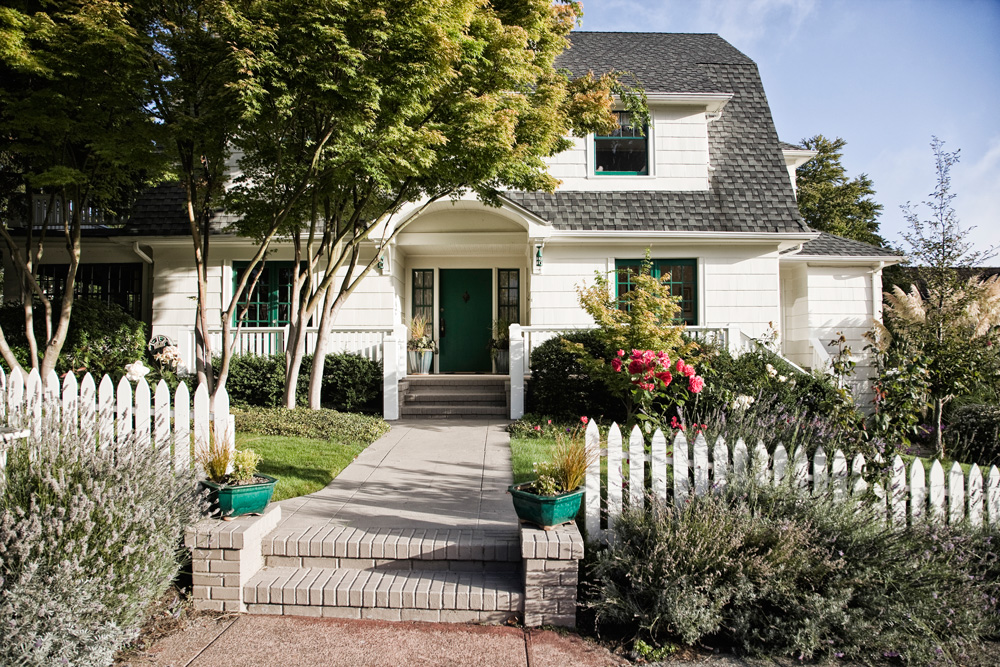
A boundary dispute is a dispute that arises between owners or occupiers of neighbouring properties. A dispute can arise if your neighbour has started work on an existing boundary separating your homes or can relate to walls, fences, hedges, sides of roads and buildings, edging stones, rivers, paths and common access roads being used by you, or separating your properties.
Our boundary dispute solicitors have extensive experience of advising on a wide variety of boundary disputes. Where possible we will try to resolve any boundary dispute through pragmatic correspondence or by a meeting of experts before advising on issuing formal litigation proceedings.
Took the time to listen to my specific case and were honest enough to give their opinion on the potential outcome(s).

Boundary disputes can be complex, as the boundaries between properties can look different to how they appear on Land Registry documents, and our boundary dispute solicitors can provide guidance on this issue. Some documents recorded at the Land Registry are not drawn to specification and are not intended to determine the position of boundaries. The width of a line on a land registry document can be several metres on the ground.
The starting point is to consider any original title deeds, including any conveyances and transfers that may exist for both properties. The title deeds may include measurements and/ or boundary features, which may assist in determining the position of the boundary and who owns the boundary structure.
Boundaries structures and the position of the boundary can vary over a period of time, due to the removal or replacement of a boundary, previous agreements between neighbours and many other factors.
In order to resolve uncertainty as to the position of the boundary, you can enter into a boundary agreement with your neighbour. Normally when a boundary line cannot be determined from the title deeds, a jointly appointed chartered land surveyor is appointed to determine the location of the true boundary, which is recorded in the agreement and filed with the land registry, so that the title deeds can be amended in line with the agreement reached.

The position of the boundary may also change by one owner adversely possessing land by occupying to the exclusion of all others for a defined period. Our boundary dispute solicitors can assist you in determining whether a claim for adverse possession can be made by you, or whether your neighbour has a valid claim.
The title register at the Land Registry may give information about ownership of boundary lines only if it was included in the registered title deeds. Generally, boundary ownership and the right to maintain and repair a boundary are detailed in the original title deeds. This may be determined by certain types of marks such as inverted “T” on a plan to the deed, or by specific wording included in the deed. Our specialist boundary dispute lawyers can review and interpret these documents for you, so that you will know your legal position, and therefore assist you to be better placed to try and resolve the dispute with your neighbour at an early stage.

If you are unable to reach an amicable agreement with your neighbour our boundary dispute lawyers can mediate on your behalf. Alternatively, if this is not successful, we can robustly assert your rights and try to resolve the dispute prior to the issue of formal proceedings.
Establishing ownership of land can be difficult, particularly if the property title deeds have been lost, but our boundary dispute lawyers have extensive experience of advising on boundary disputes in such circumstances.
We can give you advice on all types of boundary disputes and prevention of trespass. Our specialists are impartial and experienced at negotiating agreements that help people resolve disputes, rather than going to court. If you have a question regarding boundaries, trees, blocked access or trespass please call us.
What can I do if my Neighbour disputes boundary?
If your neighbour disputes the boundary, the starting point is to obtain the original title deeds to your property. The title deeds could include the original conveyance or transfer to your property. The title deeds should have been given to you by your conveyancer at the time you purchased the property, or alternatively they may be held by your mortgage company. If you have a copy of your deeds, you should review them to see if the position of the boundary line is detailed in them. Normally the position is included in a plan to the deed or detailed in writing by reference to measurements and historic features on the ground. Once you have determined the position you can explain this to your neighbour with supporting documentary evidence. If this does not resolve the dispute you might recommend jointly appointing a chartered boundary surveyor to determine the boundary.
How accurate are land registry boundaries?
The Land Registry title plans do not show the boundary's exact line and are not intended to be relied upon to demarcate the boundary. You should refer to the original conveyance or transfer of your property, which may include details of the exact position of the boundary.
Do boundary disputes go to court?
Yes boundary disputes do go to court, but the overarching objective is to try and resolve a boundary dispute at the pre-action stage and before court proceedings become necessary. There are various mechanisms that can be used to resolve a dispute before court proceedings are necessary, including appointing an expert boundary surveyor and/ or using alternative dispute resolution such as mediation.
Do I need a solicitor for a boundary dispute?
We are frequently asked whether a solicitor is needed to advise on a boundary dispute. The answer depends on the circumstances of the dispute, every dispute is different. Generally, the starting point in any dispute is to review the title deeds of each property. The title deeds can be in the form of a conveyance or a transfer and is a legal document. Solicitors are generally appointed to:
The answer is therefore yes it would be prudent to appoint a solicitor in certain circumstances depending on the nature of your dispute.
Who settles boundary disputes?
Who settles boundary disputes is dependent on the facts of your dispute. There are various strategies to settle a boundary dispute at an early stage including:
If you are unable to settle the dispute at an early stage, then there is a risk that it may progress to court, which could be costly, particularly if you lose. If the dispute does proceed to court and is not settled before trial, then a judge would make the final determination.



